The Allowance Trap: 9 Questions Before You Sign a Custom-Home Proposal
By TNT Builders
November 26, 2026
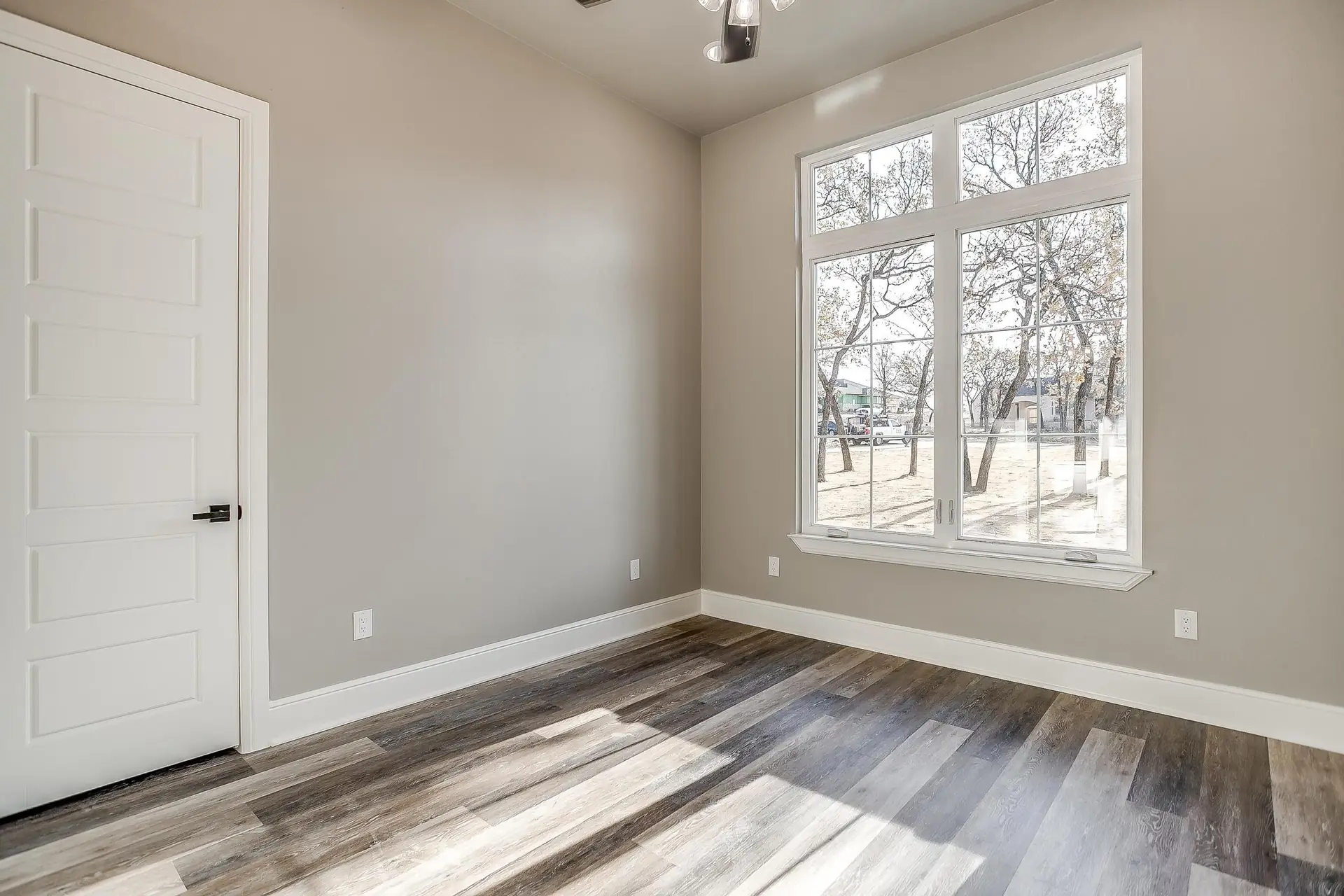
A custom-home proposal can include a finish allowance without identifying the exact products you will eventually choose. Before you compare the totals, find out what each allowance covers, what assumptions sit behind it and how a different selection would affect your agreement.
For a buyer planning a home in Burleson, Fort Worth or elsewhere in TNT’s North Texas service area, that conversation belongs near the beginning. A photo of your ideal kitchen or flooring is useful. A documented connection between that choice, the proposed scope and the budget is more useful when you are deciding whether to sign.
The “allowance trap” is treating an unresolved selection as though every detail has already been priced. This guide helps you organize a more precise conversation. It does not describe TNT’s contract terms, quote a TNT price or recommend a particular contract form.
Research and drafting assisted by ChatGPT for TNT Builders. The primary sources linked beside the relevant information support this guide; ChatGPT is not an independent pricing source. This is a planning guide, not a review of your contract. Have a qualified Texas construction attorney review project-specific legal terms, and confirm financing questions with your lender.
What is a custom-home allowance?
An allowance is an amount assigned to an identified item before its final cost is settled. AIA Contract Documents uses unfinished selections such as flooring, fixtures and appliances as examples. Its explanation of A201 distinguishes these amounts from contingency funds reserved for unexpected costs. The treatment of either depends on the agreement. Source: AIA Contract Documents’ allowance explanation.
One important example: under the A201 framework described by AIA, the allowance covers delivered materials or equipment and applicable taxes, less trade discounts. Handling, installation, overhead and profit sit elsewhere in the contract sum. That is a particular framework, not a rule to assume applies to every residential proposal. Ask the builder to explain the boundaries in the agreement you are considering. See AIA’s distinction between allowance costs and other contract costs.
Use four labels while reviewing your own documents: selected and specified, allowance, excluded, or unresolved. This is a suggested review method, not a contract classification. If you cannot confidently label an item, put it on your question list.
Can a fixed-price proposal still have allowances?
Yes. AIA’s published sample agreement for a custom residential project, A110–2021, includes a place for allowances within its stipulated-sum section. That shows why the words “fixed price” alone do not answer every selection question. The sample is an industry example; it is not evidence that TNT uses that document. Source: A110–2021 sample, section 3.2.4.
A pricing method and an allowance answer different questions. The pricing method explains how compensation is structured; the allowance identifies an item whose final amount remains to be resolved. AIA describes fixed-price work as a defined contract sum with changes governed by the agreement, and cost-plus work as specified costs plus an agreed fee. Ask your builder and attorney which provisions apply to your project rather than selecting a contract by its label. Source: AIA’s overview of construction payment methods.
Nine questions to ask before signing
Bring these questions to the proposal meeting with your plans, finish ideas and any supplier quotes already obtained. Record the answers beside the relevant line item so you can revisit them without relying on memory.
1. What exactly does this allowance buy?
Ask for the item, room, quantity and intended level of finish. For cabinetry, your questions might cover the cabinet layout, door style, finish and hardware. For flooring, ask which rooms and transitions are being considered. An inspiration photograph can start the conversation, but ask for product references or a written specification that both parties understand.
2. Which related costs are inside the amount?
Request a breakdown showing where tax, freight, delivery, installation, accessories and other applicable costs are accounted for. Ask whether they are in the allowance, elsewhere in the proposal or outside the builder’s scope. The goal is to place each cost once and identify anything still unresolved.
3. Can we compare the allowance with a current selection?
Choose one or two representative products you would actually be comfortable owning. Ask the appropriate supplier or builder for a current quote matching the proposed quantity and scope. Record the quote date, validity period and what it excludes. Treat a shopping-cart total as a starting point for discussion until the project team confirms it answers the same question as the proposal.
4. What happens if the selection costs more—or less?
Ask for a written illustration of both situations using your agreement’s rules. Which supporting documents will you receive? How are any applicable fees calculated? How and when would an adjustment be approved or credited? AIA’s A201 explanation describes upward and downward adjustments through change orders, but your own agreement needs to state the applicable process. Source: AIA’s explanation of allowance adjustments.
5. Could this choice change work beyond the item itself?
Ask the project team to review the proposed selection alongside the plans. For an appliance, for example, request confirmation of the planned opening, connection requirements and associated work before authorizing the purchase. For a finish change, ask whether installation details or adjoining work need review. Let the responsible designers and trades confirm technical requirements; a blog example cannot establish compatibility.
6. Who chooses, approves, orders and receives it?
Identify the responsible person at each step. Ask how final model numbers, finishes and quantities will be recorded, and who checks a delivery against the approved selection. If you want to buy an item yourself, discuss ordering, storage, damage, returns and warranty responsibilities before treating it as an owner purchase.
7. When is the decision needed?
Request a selection deadline tied to the proposed schedule. Ask what information must be available before ordering and how a late decision or unavailable product would be handled. Ask suppliers to confirm current availability rather than assuming an item shown online is ready for your project. For the larger sequence, read our Fort Worth custom-home timeline guide.
8. How will a proposed change be documented?
Agree how you will see the proposed scope, price adjustment and any schedule effect before approving a change. Ask who can authorize it and how both parties retain the same version. The Texas Attorney General’s home-improvement guidance recommends documenting promises, special-order costs and change charges in the agreement. Its page concerns home improvements; use the documentation principle as a discussion prompt and have your attorney confirm the requirements for your new-home contract. Source: Texas Attorney General, “Be Smart about Contracts.”
9. What is outside the proposal altogether?
Ask about the full project boundary: land, design work, surveys, site preparation, utility arrangements, landscaping, furnishings and owner purchases, as applicable. Mark each as included, separately contracted, excluded or awaiting clarification. Our DFW whole-project budget guide helps organize those categories.
Why two allowance figures can be misleading
Hypothetical arithmetic only: suppose two proposals describe the same lighting-fixture quantity and product scope. Proposal A includes a $4,500 fixture allowance; Proposal B includes $6,500. Your chosen fixtures total $6,000 on that same basis.
| Comparison | Proposal A | Proposal B |
|---|---|---|
| Fixture allowance | $4,500 | $6,500 |
| Same hypothetical selection | $6,000 | $6,000 |
| Selection minus allowance | $1,500 above | $500 below |
The $2,000 difference between the two starting allowances does not establish which complete proposal is better value. It shows why you should compare the same selections and scope before evaluating the total.
This illustration leaves out tax, delivery, labor, fees and other contract adjustments. It does not predict a payment or guarantee a credit. Ask each builder to show the complete treatment under the proposed agreement. If the proposals cover different quantities or responsibilities, reconcile those differences before doing the arithmetic.
The Federal Trade Commission recommends written estimates that describe the work, materials, timing and price, and asking why estimates differ rather than automatically choosing the lowest. Its guidance addresses home-improvement hiring; the same comparison questions can help organize a new-home proposal discussion. Source: FTC guidance on comparing contractor estimates.
Build a selection worksheet you can actually use
Bring a blank copy of this structure to the meeting. Ask the builder which parts match the proposed process and where information will be maintained. This is a discussion aid, not a replacement for contract documents.
| Record | What to capture |
|---|---|
| Item and location | Room, product category, quantity and plan reference. |
| Included scope | What the allowance covers and where related work is accounted for. |
| Selection reference | Manufacturer, model, finish, supplier quote and quote date. |
| Budget comparison | Original allowance, quoted selection and unresolved adjustments. |
| Decision responsibility | Who selects, checks compatibility, approves and orders. |
| Timing | Decision date requested by the project team and confirmed availability. |
| Approval record | Reference to the agreed selection or authorized change. |
Start with the selections that matter most to you. If the kitchen is the center of daily life, arrive with your priorities for that space. If easy cleaning is your main flooring concern, make that part of the discussion. The useful question is whether the written proposal reflects the home you intend to build.
Where service and care belong in the proposal
Building a custom home involves decisions as well as products. When you evaluate TNT’s proposed services, ask how planning, coordination, communication and care would be expressed in your specific project scope.
That conversation can cover who helps organize open decisions, who explains the effect of a proposed change, where approvals are recorded and how questions reach the person responsible for answering them. Ask which activities are included, which require a separate professional and which remain your responsibility.
Do not assign a value to a promise you cannot describe. Request a clear account of the proposed responsibilities, and compare that account alongside the construction scope. You can explore TNT’s custom-home services and real project portfolio as you prepare. Portfolio photographs show completed work; they do not establish which finishes or services are included in a new proposal.
What to bring to your TNT consultation
For a property in Burleson, Fort Worth or the surrounding service area, bring the address or parcel information, current plans if available, your most important finish choices and the questions you could not resolve from the proposal. Keep land and site questions visible beside the home specifications; if you are still evaluating property, our Johnson County land-buying checklist is a useful companion.
- Mark the selections you have already made and those still open.
- Bring dated product references or quotes for your highest-priority items.
- Identify which proposed responsibilities you want explained in more detail.
- Ask how the next decisions will be documented before moving forward.
Start a custom-home conversation with TNT Builders to discuss your property, priorities and proposed scope. The objective is a clearer picture of what you are considering before you commit.
Ready to Start Your Project?
Let's talk about bringing your vision to life.